Introduction
In today's fast-paced world, supporting social skills in children is a lot more vital than ever. Early childhood years is a formative period where children begin to develop their interpersonal abilities, and exterior playtime plays a crucial duty in this growth. This post discovers the profound effect that outside play carries developing social skills within preschool courses, specifically in childcare facilities. As we delve much deeper into this topic, we'll discover exactly how structured and disorganized exterior tasks can foster collaboration, communication, and emotional knowledge amongst preschoolers.
Building Social Abilities: The Impact of Outdoor Playtime in Pre-School Classes
Outdoor play isn't nearly having fun; it's a vital element of finding out that promotes social interactions among children. Whether it's climbing up a playground or playing tag, these tasks urge youngsters to engage with their peers, consequently enhancing their capability to connect and cooperate with others.
The Duty of Day care Centers in Social Development
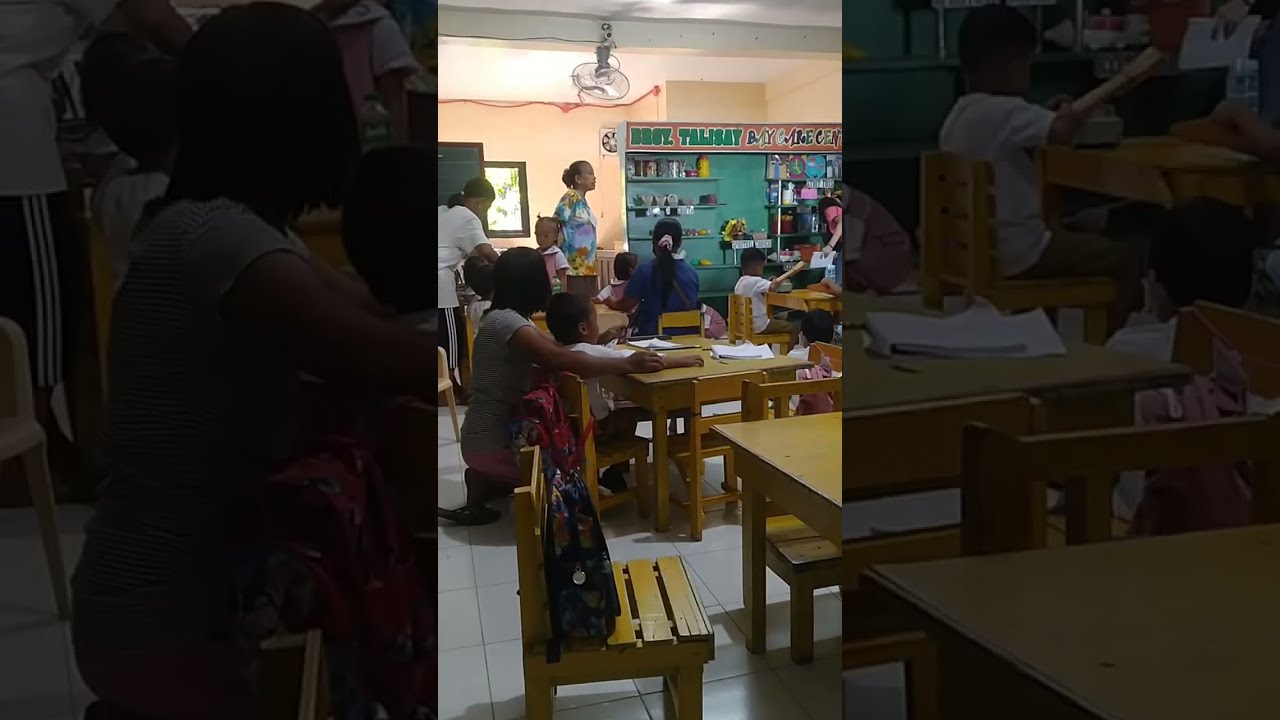
Daycare facilities frequently act as the first environment where kids communicate outside their family. The structure of these facilities typically consists of assigned exterior play areas that give sufficient chances for kids to exercise their social skills.
Why Are Childcare Centers Important?
- Social Interaction: Children discover how to share, work out, and resolve conflicts. Diverse Environments: Exposure to various backgrounds teaches compassion and understanding. Guided Play: Educators can help with games that instruct teamwork.
By providing a secure room for expedition and communication, day care centers set the stage for developing lifelong social competencies.
Understanding Exterior Playtime
Outdoor playtime usually refers to any physical activity that takes place outside the boundaries of interior areas. It can entail structured games or free play where youngsters choose what they intend to do.
Types of Outdoor Activities
Structured Games- Organized sporting activities (football, basketball) Relay races Group narration sessions
- Free expedition (running around, climbing) Creative play (structure fts with natural materials) Nature scavenger hunts
Each type provides distinct advantages however serves the typical objective of motivating social interaction.
The Emotional Benefits of Exterior Play
Engaging in outside tasks considerably influences children's mental health and wellness and general well-being.
Stress Relief
Outdoor environments provide fresh air and open spaces that minimize feelings of anxiousness. Children are more loosened up when playing outside, which allows them to be themselves socially.
Boosting Creativity
The environment inspires imagination; it encourages youngsters to assume outside the box when engaging with peers.
Social Abilities Developed With Exterior Activities
Various social abilities are boosted during exterior playtime in preschool settings:
Communication Skills- Kids find out just how to reveal themselves verbally. They practice paying attention when others speak.
- Team-based tasks call for sharing roles. Children learn the importance of cooperation over competition.
- Disagreements happen normally during play. Kids identify means to bargain options individually or with adult guidance.
- Playing with each other helps children comprehend others' feelings. Empathetic behavior is supported with shared experiences.
Physical Activity and Its Relationship to Social Skills
Research shows a strong link between physical activity and boosted cognitive function among children-- this directly correlates with improved social interactions.
Impact on Mind Development
Outdoor tasks promote mind growth by promoting neural connections in charge of social behavior.
Role of Gross Electric motor Skills
As kids run, jump, and climb outdoors, they build gross motor abilities vital for collaborated group tasks like team sports or dancing activities-- activities that need teamwork.
Creating Efficient Outdoor Learning Environments
For day care centers targeting at maximizing the benefits of exterior playtime, developing an effective environment is crucial:
1. Safety First
Ensuring the play ground devices is risk-free urges moms and dads' trust and enables youngsters to discover easily without anxiety of injury.
2. Selection is Key
A diverse range of equipment-- slides, swings, climbing structures-- keeps points intriguing and deals with different passions amongst kids.
3. Urge Parental Involvement
Family days including moms and dads can enhance area bonds while educating parents about the significance of outdoor tasks for social ability development.
The Relevance of Structured Versus Unstructured Play
While both structured and disorganized play have their advantages, comprehending when each kind needs to be made use of can assist make best use of developing results:
- Structured play provides clear objectives but may limit creative expression. Unstructured play fosters imagination but may lead to disputes calling for resolution approaches from adults.
Integrating Nature right into Kindergarten Classes
Bringing nature right into preschool play not just enhances sensory experiences yet also contributes favorably towards emotional advancement:
1. Nature Scavenger Hunts
These encourage team effort as youngsters interact to discover items on a listing while learning about biodiversity at the very same time!
2. Gardening Projects
Getting hands unclean shows responsibility while enabling them lots of room for participation as they function in the direction of a common objective-- a gorgeous garden!
Assessing Social Skill Growth Via Outside Playtime
Tracking the progression made by youngsters as they take part in exterior activities can offer beneficial insights right into their social skill advancement:
|Ability|Summary|Evaluation Technique|| -------------------|-------------------------------------------------|----------------------------|| Communication|Ability to express thoughts clearly|Observational Checklist|| Cooperation|Determination to function as component of a group|Peer Comments|| Dispute Resolution|Efficiency in settling https://canvas.instructure.com/eportfolios/3822832/home/exploring-nature-the-duty-of-outdoor-play-in-early-childhood-years-education-and-learning conflicts|Role-playing circumstances|| Empathy|Recognition & & action toward peers' feelings|Representation Journals|
Challenges Dealt with by Preschoolers Throughout Exterior Play
Despite its lots of benefits, some difficulties may emerge during outside play sessions:
Individual Distinctions Some youngsters might be much more introverted or have problem with initiation leading them not getting involved totally throughout team games.
Physical Limitations Children with specials needs might face difficulties accessing certain types of devices affecting overall involvement levels impacting confidence-building chances too!
Weather Conditions Stormy days can interrupt planned exterior activities; as a result alternate plans should constantly be thought about!
FAQs About Structure Social Abilities Through Outside Play
Q1: How does outside play affect youngsters's emotional health?
A1: Engaging outdoors helps in reducing anxiety degrees while offering sufficient chances for expressing sensations via numerous forms including giggling happily experienced with friends!
Q2: Can all preschool classes take advantage of boosted exterior time?
A2: Definitely! No matter if public/private institutions-- outdoor interaction promotes favorable communications across all settings ensuring every child gains essential experiences essential later on on!
Q3: What function do instructors have throughout outdoor activities?
A3: Educators help with intentional learning minutes guiding discussions advertising cooperation dispute resolution methods leading ultimately in the direction of cultivating healthy and balanced relationships amongst peers!
Q4: Exist any particular video games advised for improving communication?
A4: Yes indeed! Gamings such as 'Simon Says' promote energetic paying attention whilst enabling space self-expression hence establishing verbal/non-verbal capabilities simultaneously!
Q5: Just how often must outdoor time be incorporated right into daily schedules?
A5: Preferably going for a minimum of 30-- 60 mins per session preferably divided throughout multiple parts day equilibriums structured/unstructured options catering different rate of interests!
Q6: What type equipment finest fits younger age groups engaging safely yet effectively?
A6: Age-appropriate frameworks created specifically toddlers/preschoolers advertise security without compromising satisfaction! Swings slides imitate acquainted home atmospheres relieving shifts effectively!
Conclusion
In final thought, building social skills through outside play in preschool classes is not just advantageous-- it's essential! Daycare facilities functioning as nurturing settings enable kids sufficient chances for growth socially mentally literally academically through engaging enriching experiences outdoors! By focusing on these important minutes invested outside instructors foster solid structures required future success relationships created supported compassion compassion shared experiences create long-term memories will certainly carry forth throughout lives ahead!